July 20, 2026
Contractors understand that every successful construction project begins with the right materials. From framing and structural support to finishing details, the quality and consistency of wood products directly influence the durability and performance of the final result. When sourcing lumber material, professionals must evaluate multiple factors to ensure that each piece meets the demands of the project.
In today’s construction environment, expectations around material performance and sustainability continue to grow. Builders are no longer just looking for availability—they are prioritizing reliability, consistency, and long-term value. Selecting the right lumber material involves understanding how different characteristics impact structural integrity and project timelines.
According to Fortune Business Insights, the global wood and timber products market reached a value of approximately USD 1.05 billion in 2025, reflecting the ongoing demand for reliable materials across residential and commercial construction sectors. This level of activity highlights how critical it is for contractors to carefully evaluate their sourcing decisions. With so much at stake, choosing the right materials becomes an essential part of achieving consistent results.
We’ve seen how the right approach to sourcing can make a significant difference in both project outcomes and long-term performance. Here are six key things contractors look for when selecting materials and how each factor contributes to a successful build. Each of these considerations helps ensure that construction projects are completed with accuracy, durability, and efficiency.
1. Prioritizing Material Quality and Consistency
Evaluating Grain Structure
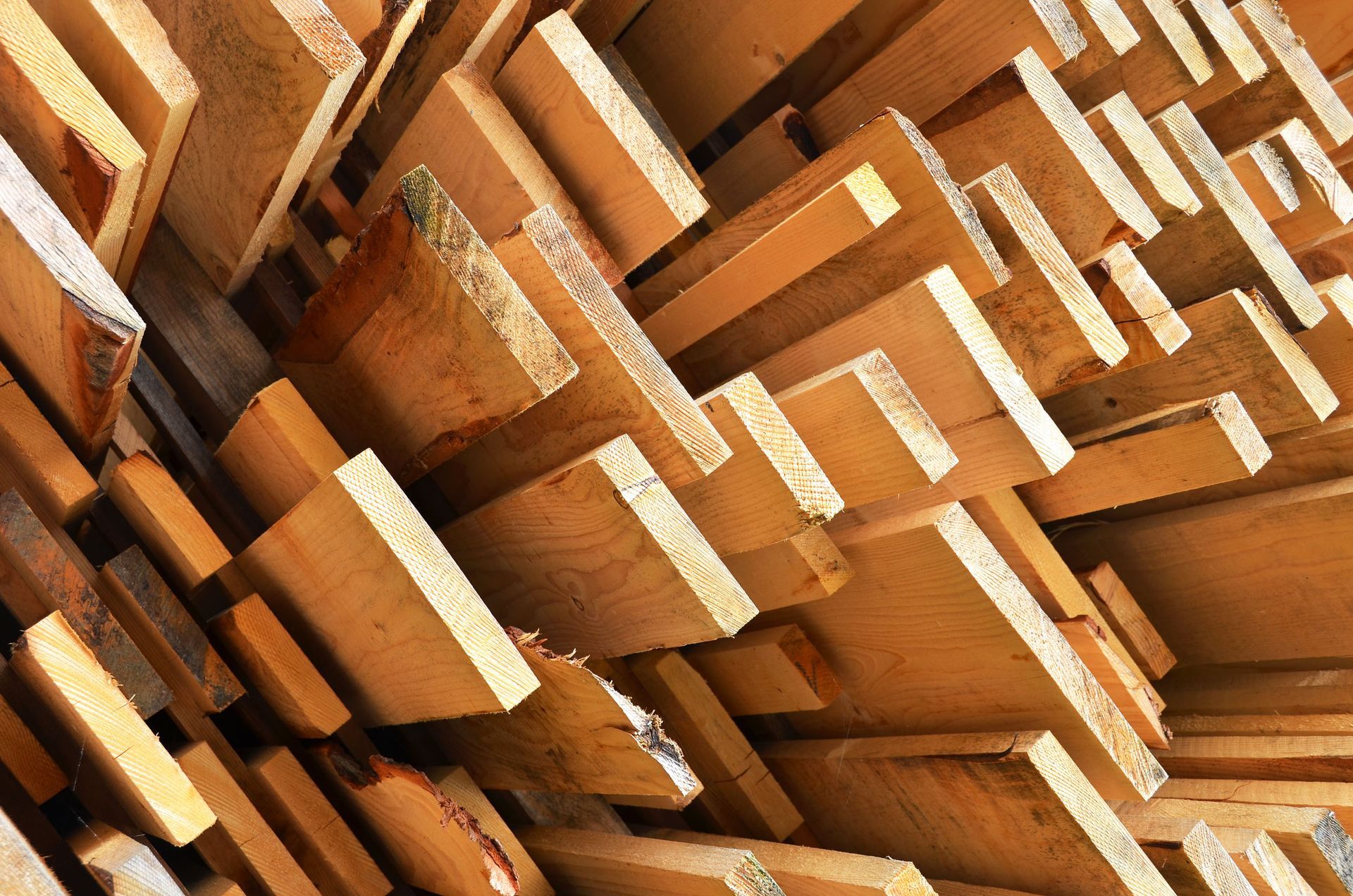
Contractors often begin by examining the grain structure of wood products. Straight, uniform grain patterns typically indicate stronger and more reliable material. When selecting lumber material, consistent grain helps ensure that boards perform predictably under stress and maintain their shape over time. This consistency is especially important for projects that require precise alignment and structural accuracy.
Identifying Defects and Imperfections
Knots, cracks, and warping can compromise structural integrity. Builders carefully inspect each piece to minimize the risk of defects affecting the final build. High-quality materials reduce the likelihood of issues during installation and long-term use. Thorough inspection at this stage can help prevent costly corrections later in the project.
Ensuring Uniform Dimensions
Consistency in size and thickness is essential for efficient construction. Materials that vary in dimension can slow down the building process and create alignment challenges. Reliable sourcing ensures uniformity across all components. This uniformity also contributes to a cleaner and more professional finished product.
Supporting Reliable Performance
When materials are consistent in quality, contractors can work more efficiently and confidently. This reliability contributes to stronger structures and fewer complications throughout the project lifecycle. Consistent performance also reduces the likelihood of unexpected delays during construction.
2. Verifying Strength and Structural Integrity
Assessing Load-Bearing Capacity
Structural strength is one of the most critical considerations in construction. Contractors evaluate whether lumber material can support the intended load without compromising safety. This is especially important for framing and foundational elements. Proper evaluation ensures that structures meet both safety and building code requirements.
Understanding Wood Species Characteristics
Different types of wood offer varying levels of strength and durability. Builders select species based on the specific requirements of each project. This ensures that the material performs as expected in its intended application. Choosing the right species also helps optimize long-term structural performance.
Checking Moisture Content Levels
Excess moisture can weaken wood and lead to warping or decay over time. Contractors prioritize properly dried materials to maintain stability and prevent long-term issues. Controlling moisture levels is essential for maintaining the integrity of the final structure.
Maintaining Structural Stability
Strong, stable materials help ensure that the structure remains secure over time. This is essential for both safety and long-term performance in any construction project. Reliable stability also contributes to the overall durability of the finished build.
3. Ensuring Material Availability and Supply Reliability
Confirming Consistent Inventory
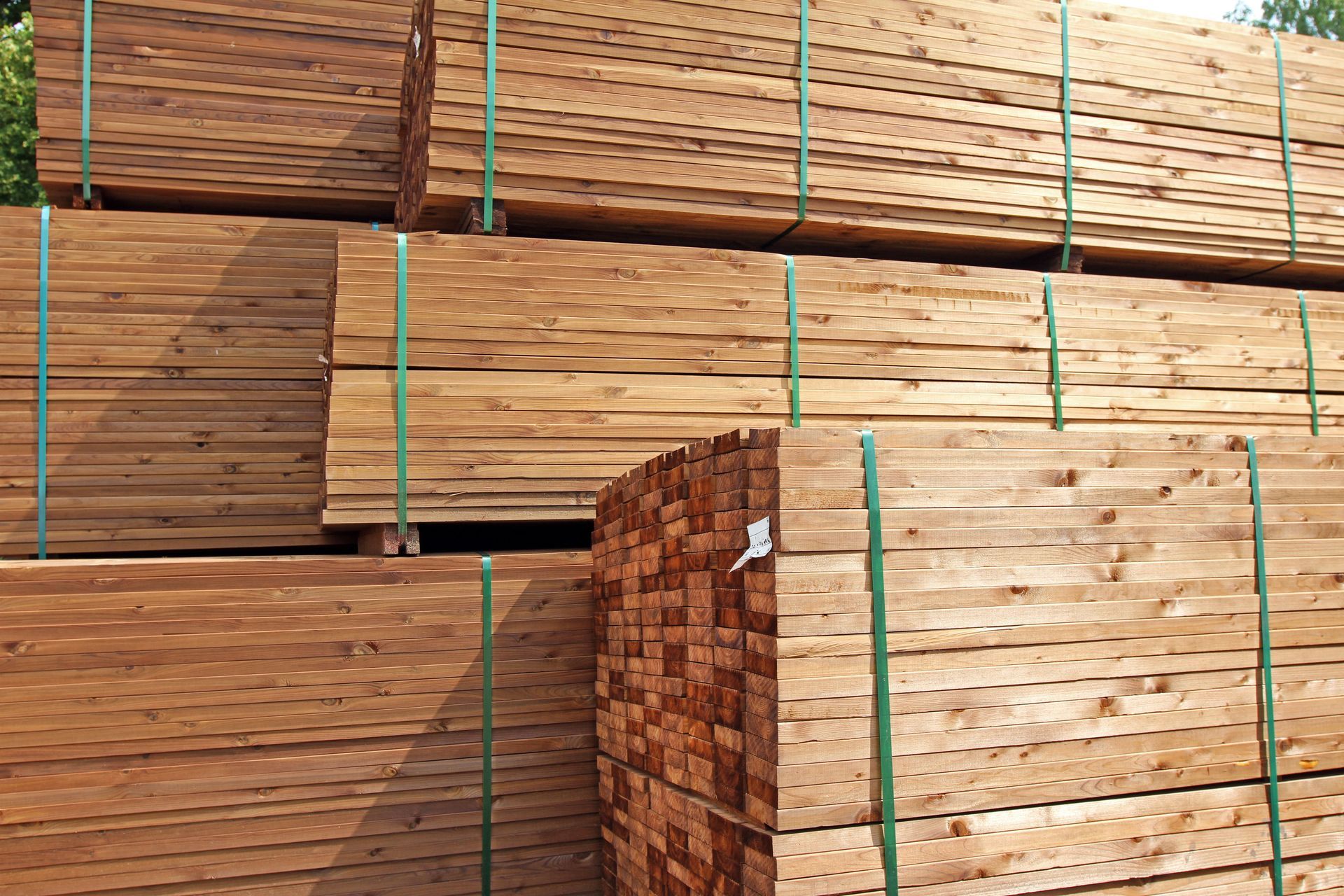
Reliable supply chains are essential for keeping projects on schedule. Contractors need access to consistent quantities of lumber material to avoid delays and interruptions. Consistent inventory helps maintain workflow and prevents unnecessary downtime.
Reducing Project Downtime
Material shortages can slow down progress and increase costs. Working with dependable suppliers helps minimize these risks and keeps projects moving forward. Reliable sourcing ensures that construction timelines remain predictable.
Planning for Large-Scale Projects
For larger builds, contractors must ensure that sufficient materials are available throughout the project. Consistent supply helps maintain continuity and efficiency. Proper planning also reduces the risk of mid-project disruptions.
Supporting Timely Completion
When materials are readily available, construction timelines are easier to manage. This reliability contributes to smoother project execution and better overall outcomes. Timely completion also supports client satisfaction and project success.
4. Evaluating Durability and Environmental Resistance
Considering Weather Exposure
Outdoor structures require materials that can withstand environmental conditions. Contractors assess how lumber material performs under exposure to moisture, sunlight, and temperature changes. This evaluation helps ensure long-term durability.
Resisting Decay and Insect Damage
Durability is essential for long-term performance. Materials that resist decay and pests help reduce maintenance needs and extend the lifespan of the structure. This protection is especially important in regions with high humidity or pest activity.
Maintaining Structural Integrity Over Time
High-quality materials retain their strength even under challenging conditions. This ensures that the structure remains stable and reliable for years to come. Long-term integrity is a key factor in overall project value.
Supporting Long-Term Value
Durable materials contribute to the overall value of a project by reducing the need for repairs or replacements. This makes them a preferred choice for contractors focused on quality. Investing in durability helps ensure consistent performance over time.
5. Reviewing Sustainability and Sourcing Practices
Choosing Responsibly Sourced Materials
Sustainability has become an important consideration in construction. Contractors look for lumber material that is sourced responsibly to support environmental conservation. Responsible sourcing also aligns with modern industry expectations.
Meeting Industry Standards
Certified materials help ensure that sourcing practices meet recognized standards. This adds an extra layer of confidence in the quality and origin of the product. Certification also supports compliance with regulatory requirements.
Reducing Environmental Impact
Using sustainable materials helps minimize the environmental footprint of construction projects. This aligns with modern building practices and regulatory expectations. Environmentally conscious choices also contribute to long-term resource management.
Supporting Future Resource Availability
Responsible sourcing helps ensure that resources remain available for future projects. This long-term perspective benefits both the industry and the environment. Sustainable practices support continued growth and innovation.
6. Comparing Cost Efficiency and Overall Value
Balancing Price and Quality
Cost is always a factor, but it must be weighed against quality. Contractors evaluate whether the selected lumber material offers the best value for its performance and durability. This balance helps ensure that projects remain both cost-effective and reliable.
Reducing Long-Term Expenses
Investing in higher-quality materials can reduce maintenance and repair costs over time. This makes it a more cost-effective choice in the long run. Long-term savings often justify the initial investment.
Evaluating Project Budgets
Budget considerations play a role in material selection. Contractors work to find solutions that meet financial constraints without compromising quality. Careful budgeting helps maintain project efficiency.
Maximizing Return on Investment
Choosing the right materials helps ensure that projects deliver lasting value. This contributes to both client satisfaction and long-term performance. A strong return on investment supports continued project success.
Contractors rely on careful evaluation when sourcing materials to ensure that every project meets high standards of quality and performance. From assessing structural strength and durability to ensuring consistent supply and sustainability, each factor plays a critical role in the decision-making process. Selecting the right materials is not just about meeting immediate needs—it is about creating structures that stand the test of time.
By focusing on these key considerations, builders can achieve more reliable results and maintain efficiency throughout the construction process. Thoughtful sourcing decisions help reduce risks, improve project outcomes, and support long-term success. Consistency in material selection also helps reinforce professional standards across every project.
If you’re looking for dependable materials to support your next project, contact Dettinger Lumber Company Inc today to source high-quality lumber material that meets the demands of professional construction and delivers consistent, reliable performance.